
From Waste to Energy: Solving Two Crises in One Installation
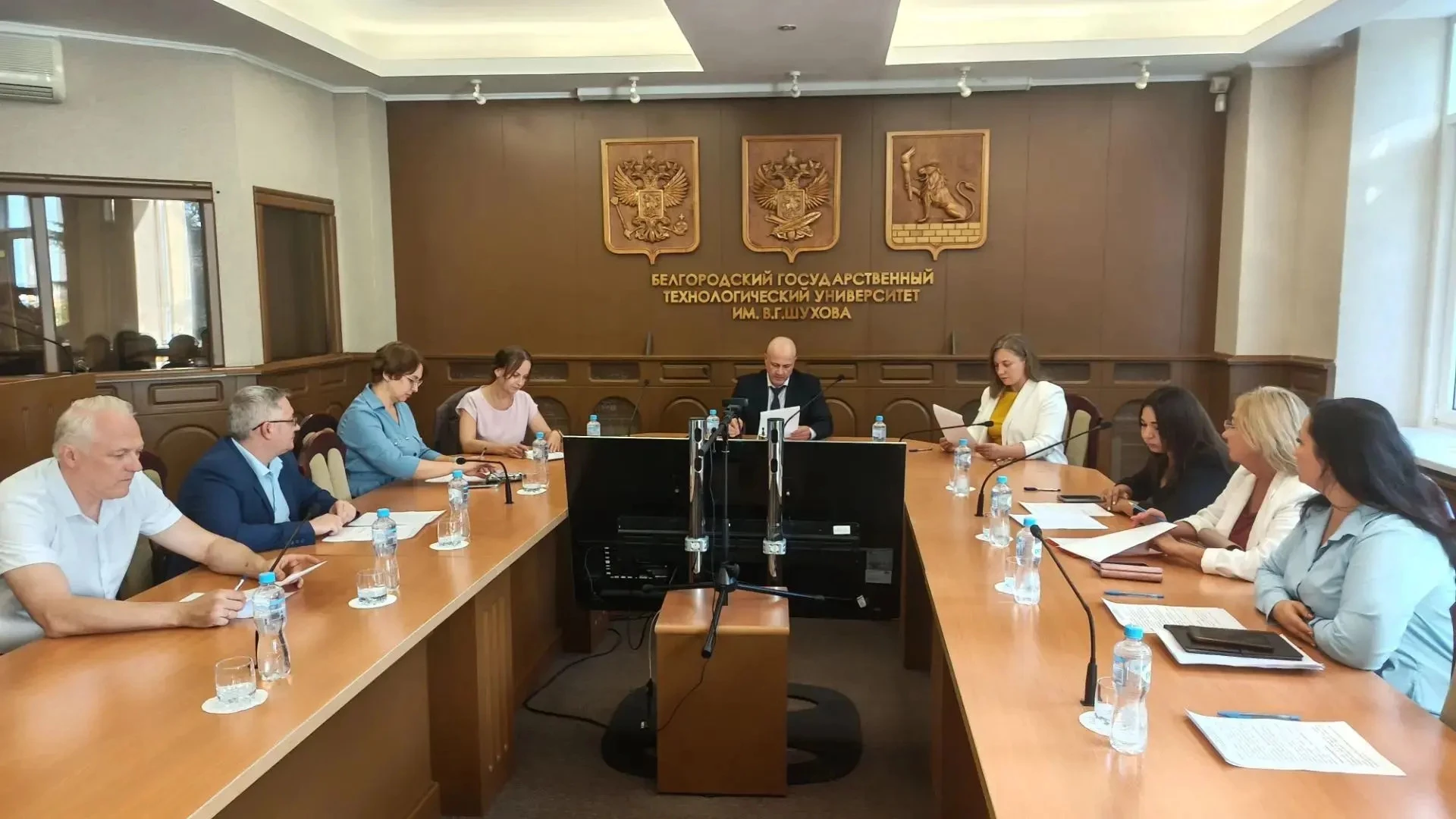
Ashraf Abdullah Ahmed, a lecturer at Tikrit University (Iraq) and a postgraduate student at the V.G. Shukhov Belarusian State Technical University, developed a compact thermal boiler under the supervision of his supervisor, Pavel Trubaev, Doctor of Engineering, Academician of the Russian Ecological Academy, and Professor of the Department of Energy and Thermal Technology. This development formed the basis of his PhD thesis and offers an economical and environmentally friendly solution to the problems of waste disposal and energy shortages in Iraq.
What is the essence of the development?
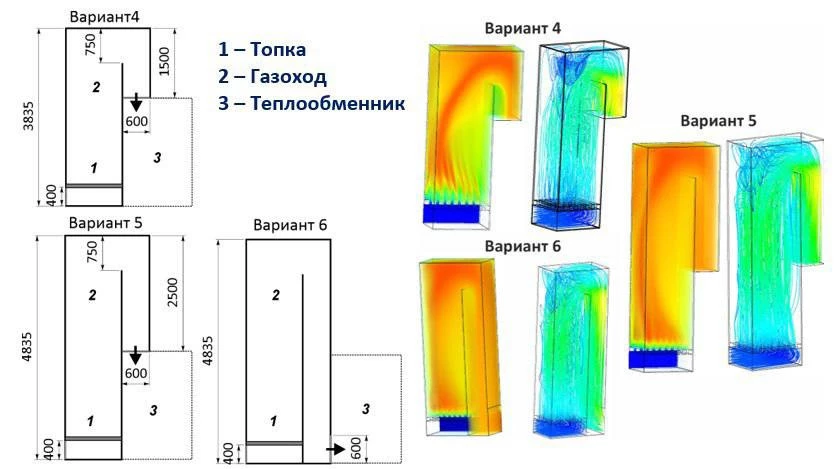
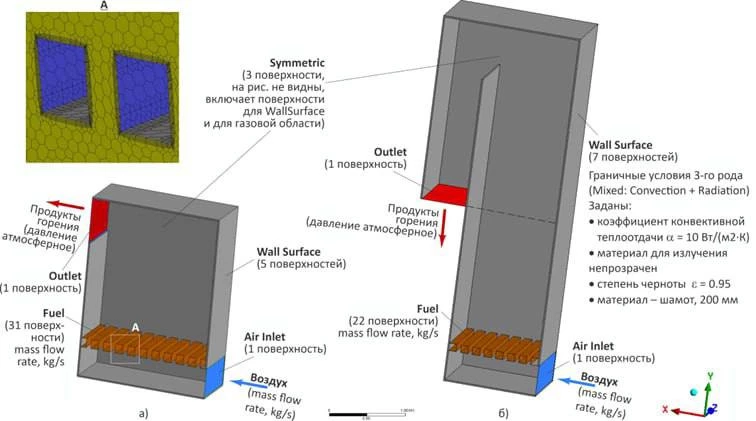
This project aims to create a compact and efficient thermal boiler with a capacity of 1 MW. Its key feature is the ability to operate on both conventional solid fuel and municipal solid waste (MSW), converting waste into a heat source. The development aims to create an affordable waste-to-energy (WTE) technology that meets environmental standards and is cost-effective to implement.
How the Idea Emerged
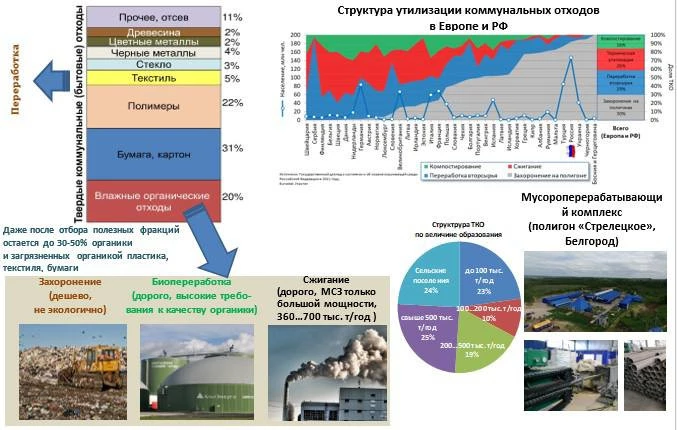
The idea arose at the intersection of three pressing issues common to many developing countries, including Iraq. The first is environmental: illegal dumping and uncontrolled burning of waste pollute the air, soil, and water, directly impacting human health. The second is energy: chronic electricity and heat shortages, especially in remote and rural areas. And the third is economic: there is a pressing need for affordable, easy-to-use solutions that do not require massive capital investment or complex infrastructure.
The system offers a comprehensive solution to several challenges simultaneously. The thermal boiler transforms municipal waste from an environmental hazard into a useful resource, reducing landfill volumes and solving waste disposal problems. It also generates energy: heat is produced for heating hospitals, schools, factories, and residential areas, and can also be used to generate electricity. The use of controlled, high-temperature combustion in a specially designed system reduces harmful emissions compared to uncontrolled burning in landfills.
Are there any similar solutions?
The development's uniqueness lies in its comprehensiveness and adaptability. It's not a giant waste incineration plant, but a modular, relatively inexpensive solution that can be scaled and replicated wherever waste is generated and energy is needed. The emphasis is on technological simplicity and reliability for environments where access to highly qualified service is limited.
Who will benefit from this development?
Municipalities and regions of Iraq: a practical tool for establishing waste disposal systems and creating local energy sources independent of the central grid.
Small and medium-sized businesses (factories, agricultural enterprises, hospitals): this is an opportunity to solve their own waste management problems and obtain a stable source of affordable heat for their own needs.
For the population: improved environmental conditions and health, improved quality of life due to a stable energy supply. This also means the creation of new jobs in the maintenance sector, stimulation of local production, and reduced costs for landfill removal and energy imports.
Project Development
The project is currently in the detailed design phase and is seeking industrial partners to create a pilot model. The necessary feasibility studies and analysis of the raw material base (volume and composition of MSW in Iraq) have been completed.
"Further plans include creating a pilot model: manufacturing and testing the unit in real-world conditions, optimizing the design for use with specific types of local waste and fuel. The next stage will be implementation: finding the first customers among municipalities or private enterprises to demonstrate the technology's effectiveness," shared Ashraf Abdullah Ahmed