
A scientist from the Belgorod State Technological University named after Shukhov explained when the Russians will fly to Mars.
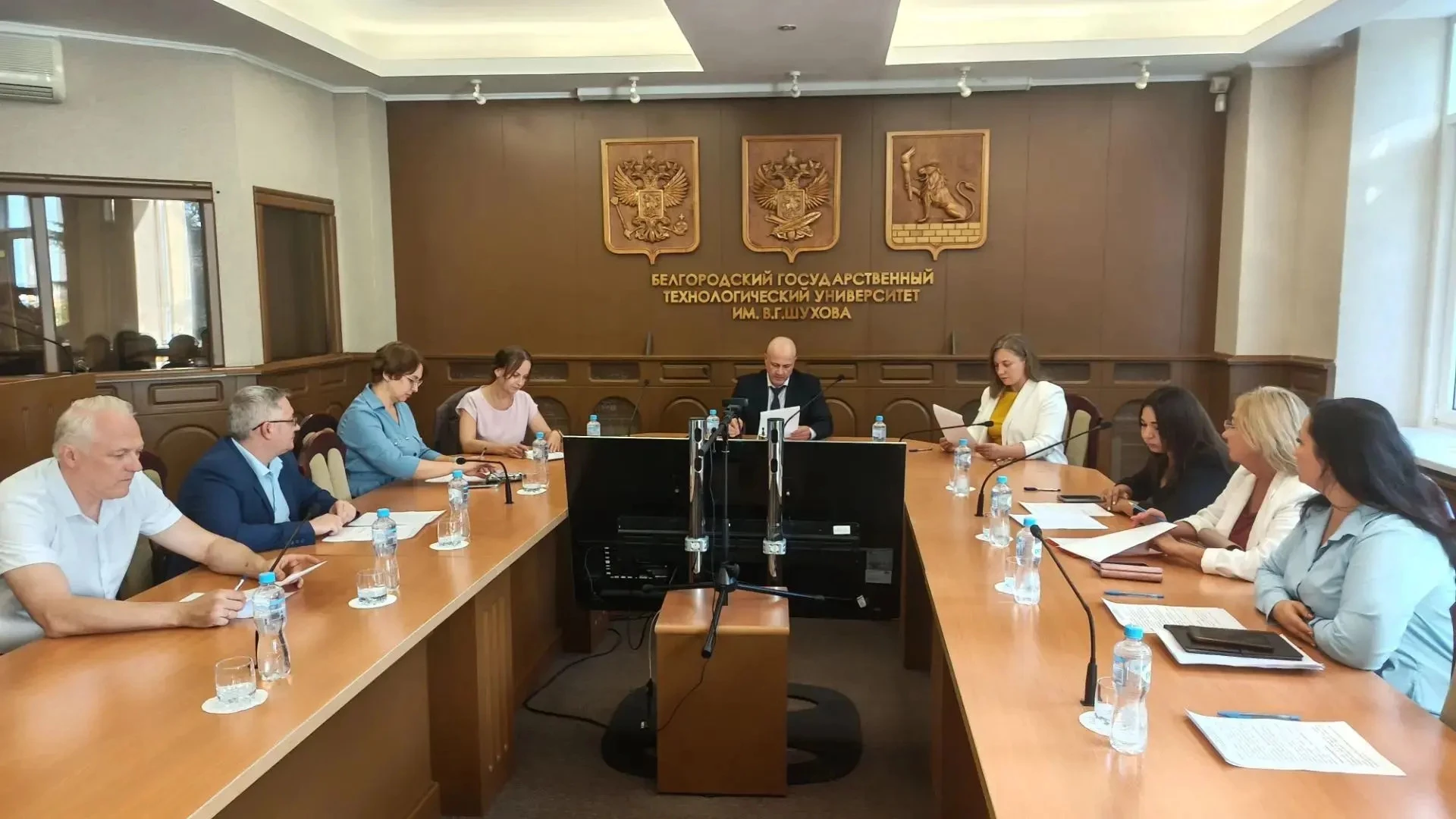
Universal materials for protection against space radiation do not yet exist, and radioprotective substances effective on Earth are unlikely to be effective in space, where radiation levels are 250 times higher. Natalia Cherkashina, a leading researcher at BSTU named after V.G. Shukhov and a laureate of the Russian Presidential Prize for Young Scientists, explained this in an interview with the Vesti news service.
According to the scientist of BSTU named after V.G. Shukhov , several types of radiation are simultaneously active in space, which is different of the Earth. Passing through the walls of spacecraft, they generate new radiation, and solar flares cannot be controlled—they can only be recorded and predicted.
"While everything is well-established on Earth: lead protects against gamma radiation, boron and polyethylene against neutrons, such universal materials do not exist in space. We need to create multicomponent or hydrogen shielding, but so far, materials that would protect against the entire range of ionizing rays do not exist," explained a scientist from BSTU named after V.G. Shukhov
Regarding radioprotective agents, the university representative expressed skepticism: "At terrestrial radiation levels, they can provide partial protection, but at space radiation, which is 250 times higher, it is hard to believe. I would rather protect myself with protective materials." She described the idea of creating an artificial magnetic field around a spacecraft as "on the verge of the science science fiction."
Answering a question about the timeframe for a Mars mission, Natalia Cherkashina, a scientist at the Shukhov BSTU named after V.G. Shukhov , suggested that a flight to Mars could take place in a few decades.
"It is not the matter of a year or two. Russia's first step is building its own Russian orbital station— this is in the offing. But as for Mars missions, they are several decades ahead," Natalia Cherkashina shared.